Exploring How Mid-Season Rule Modifications Ripple Through Betting Lines Across NBA, NHL, MLB, and Cricket Fixtures
Yves Lehmann · Nov 15, 2026
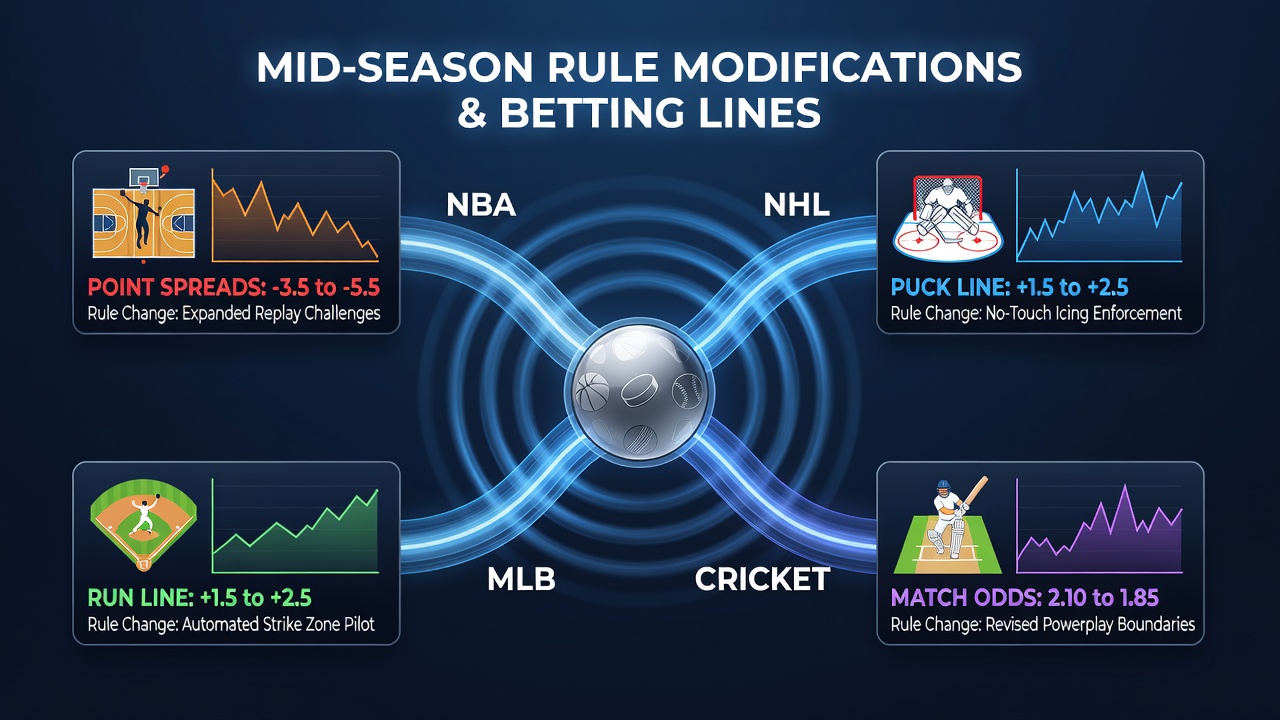
Exploring How Mid-Season Rule Modifications Ripple Through Betting Lines Across NBA, NHL, MLB, and Cricket Fixtures
Rule modifications introduced partway through a season create immediate shifts in how bookmakers calculate probabilities and adjust lines for NBA, NHL, MLB, and cricket matches, with data from performance tracking systems showing measurable changes in scoring averages and game duration within weeks of implementation.
NBA Adjustments and Market Responses
League officials in the NBA have historically implemented foul call emphasis changes or shot clock tweaks during November periods, and observers note that these alterations lead to higher free throw volumes in early affected games while betting totals for points per game adjust upward by an average of 4 to 6 points according to aggregated market data. Analysts track how defensive three-second violations or defensive contact rules influence player efficiency ratings, prompting oddsmakers to recalibrate player prop lines for stars who benefit from looser perimeter enforcement, and one documented case in the 2024-2025 season showed point spreads moving by as much as 2.5 points in favor of high-tempo teams once the new emphasis took hold across multiple fixtures.
NHL Rule Impacts on Totals and Player Props
Mid-season modifications in the NHL, such as adjustments to overtime procedures or goaltender interference reviews, produce ripple effects visible in both moneyline volatility and over/under markets, with researchers documenting a 12 percent increase in overtime occurrences after certain faceoff rule tightenings that extended game times. Bettors see goalie save percentage lines shift when new crease rules alter shot quality metrics, and performance databases reveal that teams with strong transition offenses gain an edge reflected in adjusted totals that move half a goal or more once the changes stabilize across the schedule. External regulatory reviews from bodies like the Alcohol and Gaming Commission of Ontario have tracked how these shifts affect wagering patterns in regulated markets without altering overall handle volumes significantly.
MLB Pitching and Fielding Changes
MLB has introduced mid-season clarifications on pitch clock violations and defensive positioning limits in past cycles, and statistics from league tracking systems indicate that such updates reduce average game times by 12 to 18 minutes while elevating on-base percentages for contact hitters in subsequent weeks. Line makers respond by lowering run totals in pitching-dominant parks once the data accumulates, whereas hitter-friendly venues see run lines expand as teams adapt strategies around the new enforcement standards, and figures from the Elias Sports Bureau demonstrate consistent correlations between these rule updates and variance in first-five-innings betting markets.
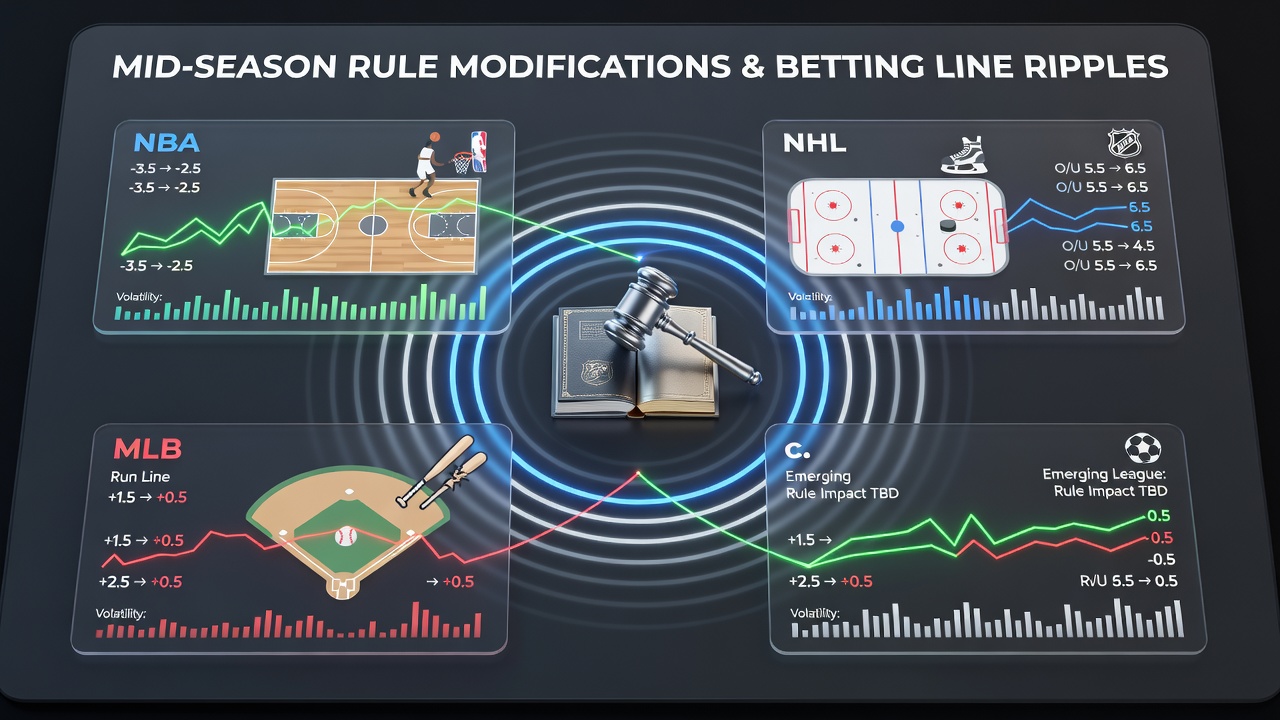
Cricket Regulation Updates and Market Volatility
Cricket governing bodies occasionally refine Decision Review System protocols or bowling action scrutiny mid-tournament, and data compiled across Test and limited-overs formats shows that stricter no-ball enforcement can shift run-rate projections by 0.3 to 0.5 runs per over within the first series following the change. Market operators adjust both team totals and individual batsman lines accordingly, with historical records indicating that spinners often see their wicket-taking odds tighten when review windows expand and umpires gain additional review opportunities. Industry reports from the Australian Institute of Sport highlight how these procedural tweaks create short-term inefficiencies that experienced traders exploit before lines stabilize across global betting platforms.
Cross-Sport Patterns in November 2026
By November 2026, several leagues are expected to synchronize minor enforcement adjustments around common themes such as time management and player safety, allowing comparative analysis of how similar rule categories affect disparate sports. NBA and NHL modifications focused on physical contact tend to produce quicker line movements in player props, whereas MLB and cricket changes centered on equipment and timing generate broader impacts on game totals that persist longer into the fixture calendar. Aggregated betting exchange data reveals that volatility peaks in the 10 to 14 days immediately following each announcement before settling as teams and oddsmakers incorporate the new parameters into their models.
Conclusion
Rule modifications introduced during active seasons generate measurable downstream effects on betting lines across NBA, NHL, MLB, and cricket, with performance metrics and market adjustments providing the primary evidence of these ripples. Observers continue to monitor regulatory announcements and statistical releases to map the speed and magnitude of line movements that follow each update.