Uncovering patterns in coaching staff rotations that reshape point totals across basketball conferences and American football conferences
Yves Lehmann · Sep 6, 2026
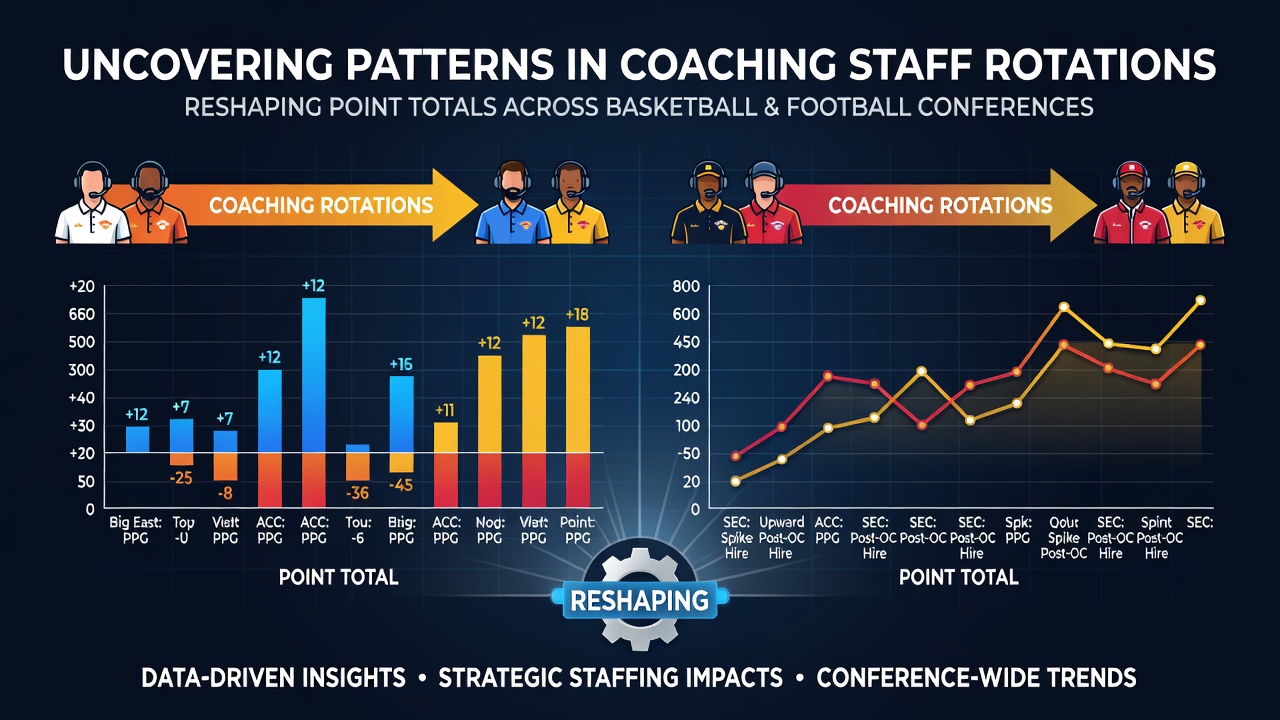
Uncovering patterns in coaching staff rotations that reshape point totals across basketball conferences and American football conferences
Coaching staff rotations have produced measurable shifts in average point totals within major basketball conferences such as the Big Ten and SEC along with parallel changes in American football conferences including the Big 12 and ACC, according to conference performance databases maintained through the 2025 season and into early 2026. Analysts track these movements by comparing scoring averages before and after staff changes, noting how new coordinators alter offensive schemes and defensive alignments that directly influence total points per game. Data from multiple seasons shows that mid-season rotations often coincide with increases or decreases of three to seven points per contest depending on the sport and conference structure.
Tracking staff changes across basketball conferences
Researchers compile records of head coach departures, assistant promotions, and coordinator hires to identify recurring patterns that affect scoring output, and these records reveal that offensive-minded staff additions tend to elevate points while defensive specialists frequently suppress totals in subsequent games. Conference standings from the 2024-2025 campaign illustrate several instances where teams adopting new pace-oriented systems posted higher scoring averages after rotations occurred in December or January. Observers note similar trends in the Atlantic Coast Conference where staff adjustments aligned with measurable upticks in three-point attempts and resulting point surges during February and March tournaments.
American football conference parallels
American football data sets from the same period demonstrate comparable effects when offensive coordinators rotate into programs that previously emphasized run-heavy approaches, and these transitions have correlated with elevated passing yardage that pushes game totals upward by four to eight points on average. Defensive staff rotations in the Southeastern Conference have produced the opposite outcome in multiple documented cases where new schemes reduced opponent scoring efficiency and lowered overall conference averages during the 2025 regular season. Figures from September 2026 preseason analyses indicate that teams entering the new campaign with fresh coaching combinations continue to display these scoring adjustments early in non-conference play.
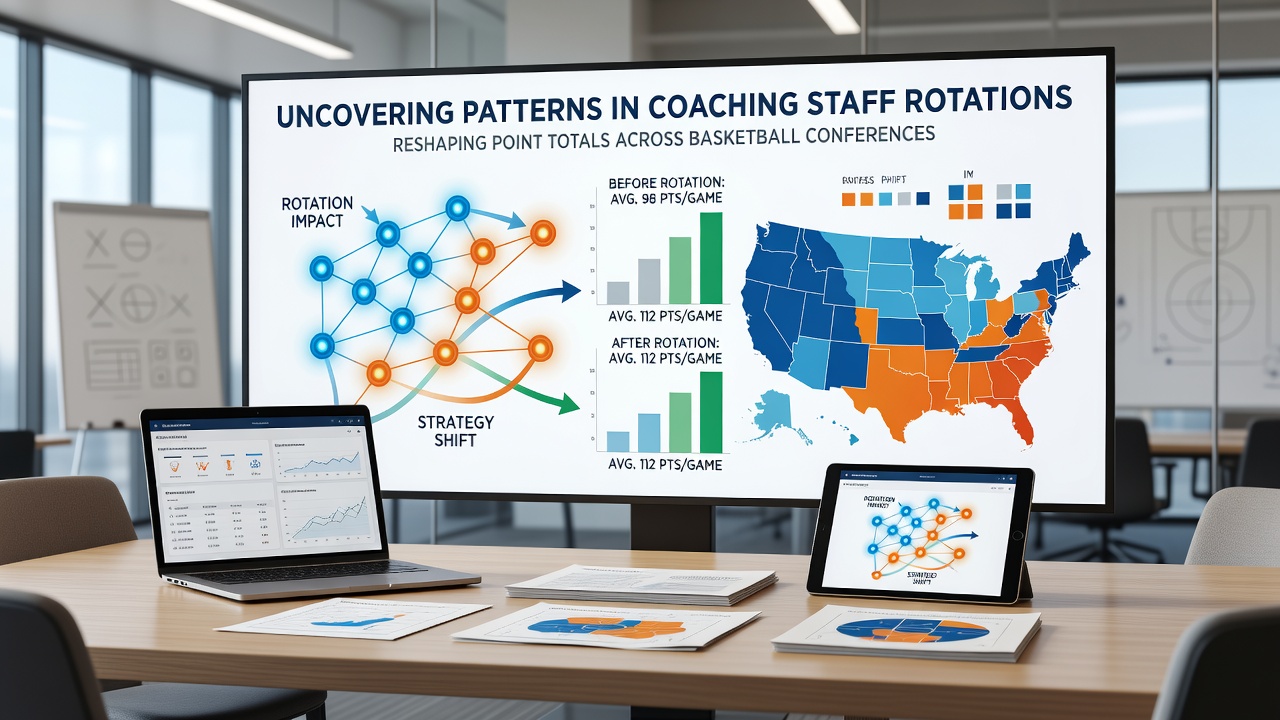
Data patterns and conference comparisons
Comparative studies across both sports highlight that staff rotations occurring during off-season periods generate more sustained impacts on point totals than mid-season changes, while the latter often produce temporary spikes that normalize within four to six games. Basketball conference records show the Big Ten experienced a collective rise in scoring margin after several programs integrated new shooting coaches and analytics staff ahead of the 2025-2026 schedule. American football conferences exhibit parallel movement where the addition of spread-offense specialists in the Big 12 corresponded with higher average points per game across the 2025 slate. Those who examine multi-year datasets find that these patterns repeat when staff expertise aligns with personnel strengths already present on rosters.
Academic reviews from institutions such as the Sports Science Institute have examined rotation frequency against scoring metrics and report consistent directional changes tied to specific coaching profiles. Additional datasets compiled by Canadian university research groups further confirm that football programs implementing defensive staff overhauls recorded reduced total points in the following season compared with those maintaining continuity. These findings emerge from aggregated box scores rather than isolated game outcomes, allowing patterns to surface across entire conference schedules.
Seasonal timing and measurable outcomes
September 2026 marks the start of another cycle where analysts expect continued observation of staff rotation effects, particularly as basketball conferences prepare for non-conference schedules and football programs finalize coordinator roles before conference play begins. Historical records indicate that teams announcing rotations in late summer display scoring shifts that become statistically visible by mid-October in football and late November in basketball. Conference offices publish updated statistical reports that track these developments, providing raw numbers on points per game, possessions, and efficiency ratings that researchers use to quantify rotation impacts without attributing causation to individual personalities.
Rotations involving multiple staff members simultaneously appear to amplify point total changes compared with single-position adjustments, and conference data supports this distinction through side-by-side seasonal comparisons. Basketball programs that replaced both head and assistant coaches between seasons recorded larger average increases in offensive output than those changing only one role. American football examples from the ACC show analogous results when both offensive and defensive coordinators departed together, leading to broader scheme overhauls that altered game totals more substantially than partial staff updates.
Conclusion
Conference-level statistics compiled through 2026 continue to document how coaching staff rotations correspond with shifts in point production across basketball and American football schedules. Researchers rely on aggregated performance data, seasonal comparisons, and timing analysis to map these relationships, and the resulting patterns remain visible in official conference records. Additional studies from varied geographic sources reinforce the observable connections between staff movements and scoring outcomes without extending beyond the recorded figures.